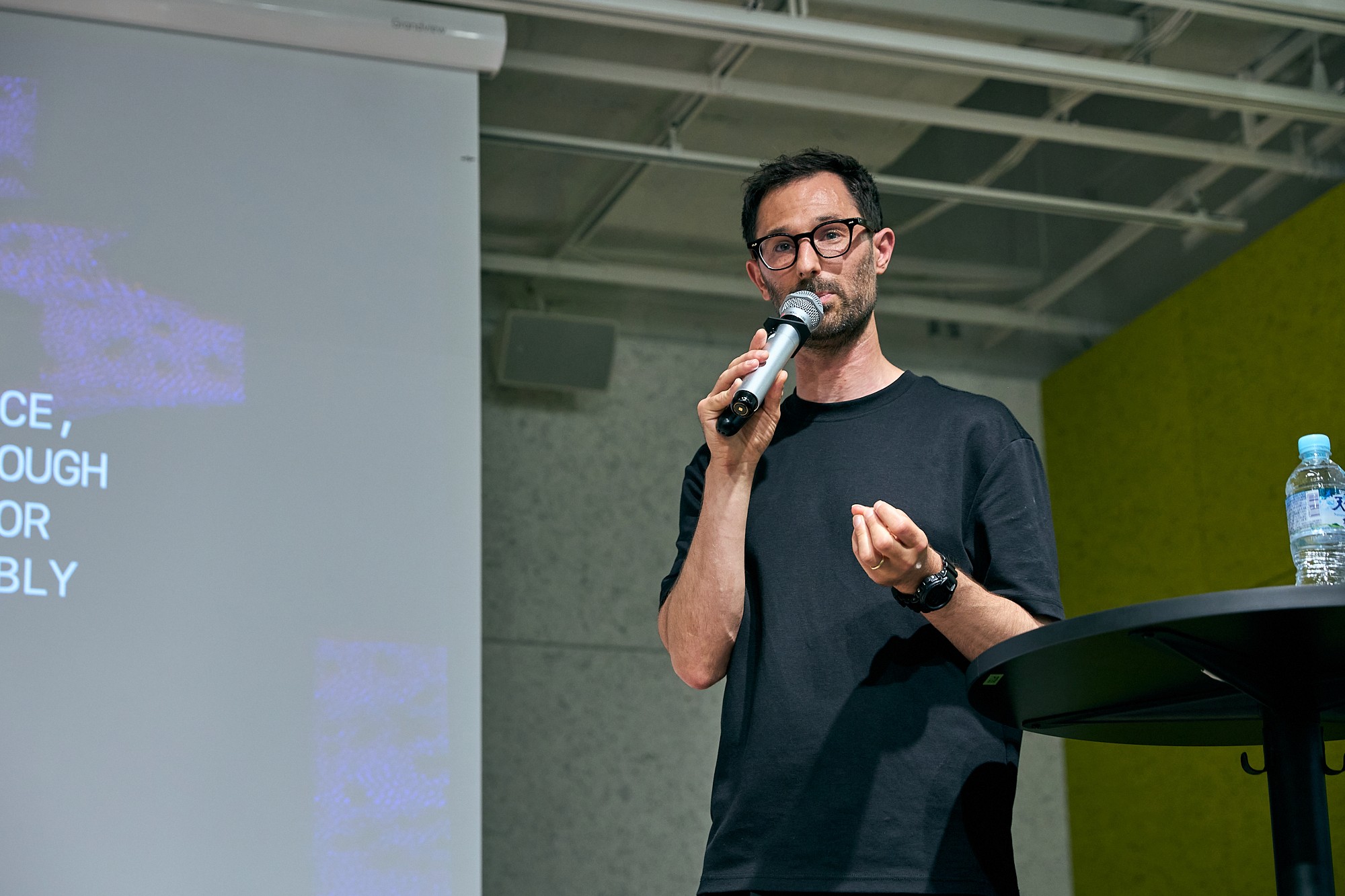
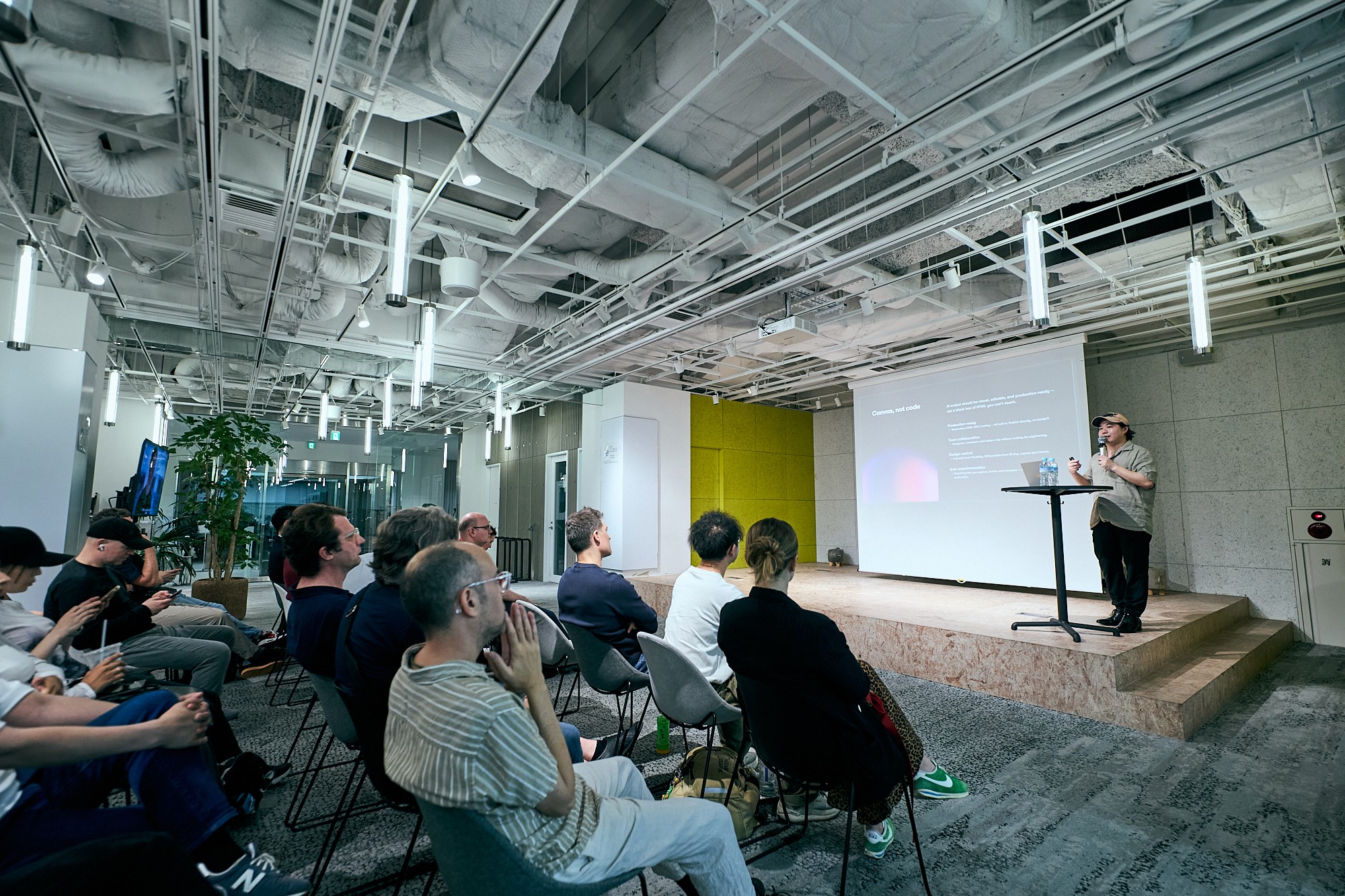
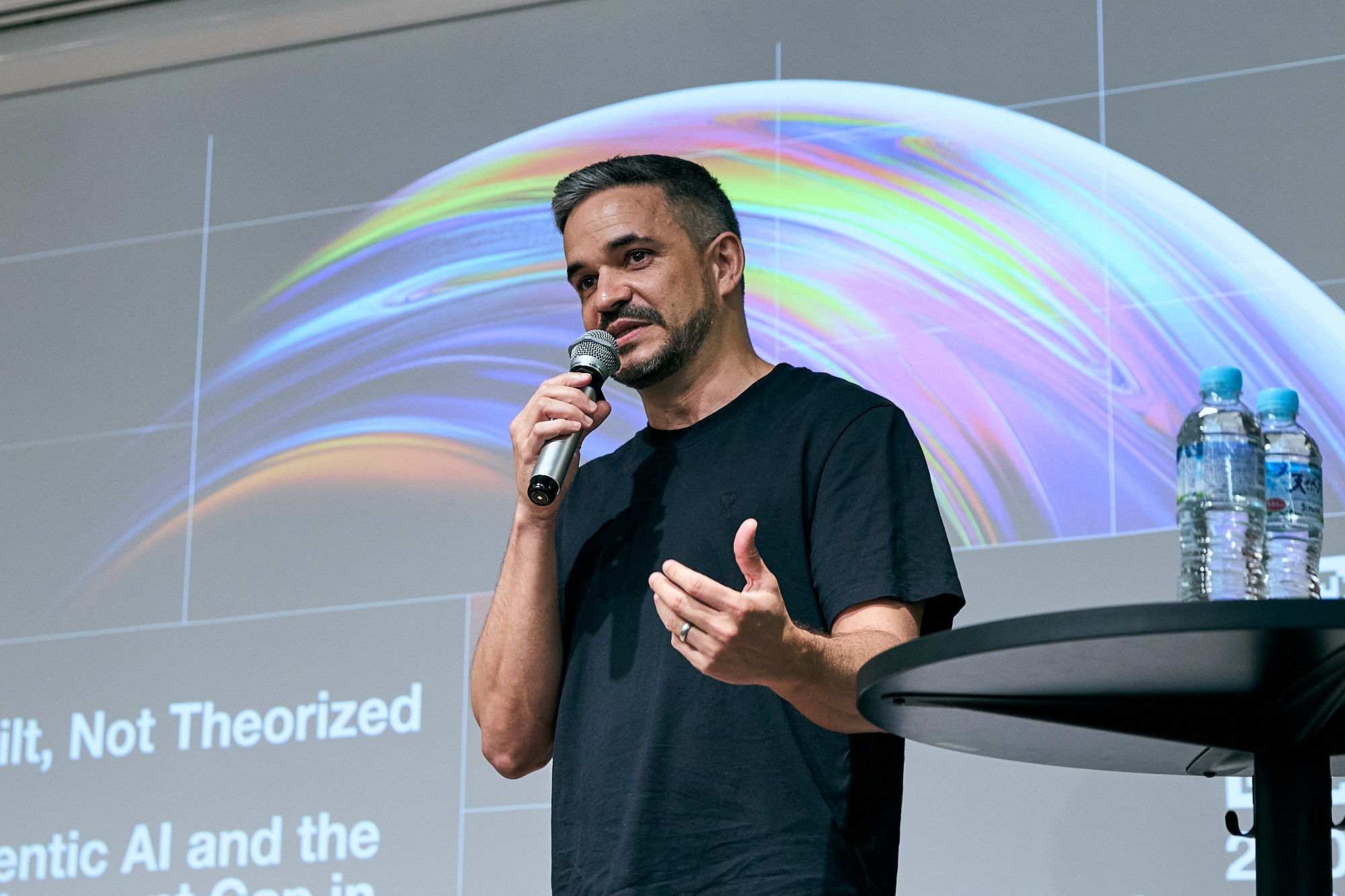
I was invited to speak at the Tokyo AI community event hosted by Ilya Kulyatin. TAI Explorations was a thoughtfully organized event with great atmosphere, bringing together founders, builders, and AI practitioners in Tokyo.
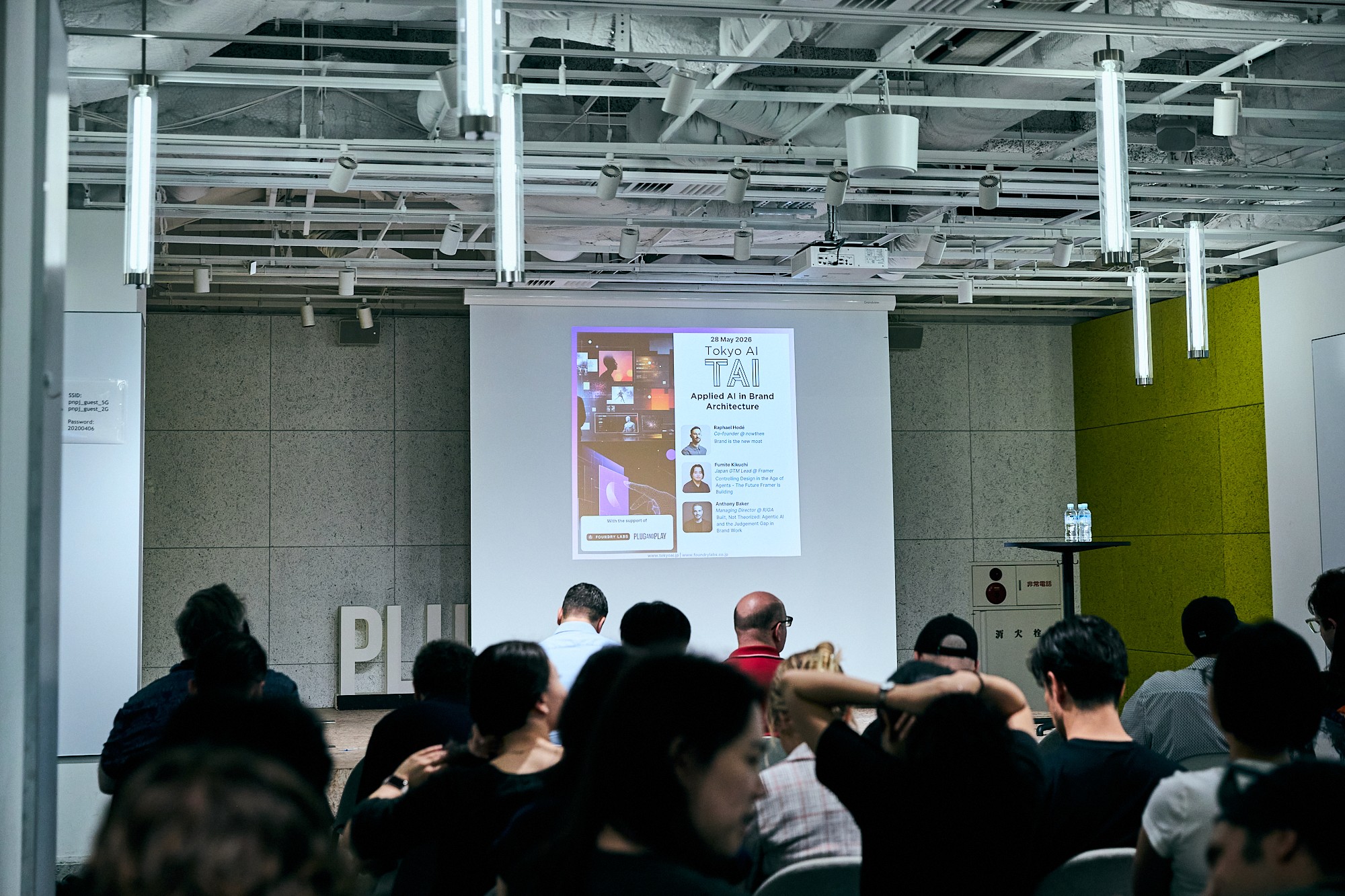
Tokyo
Organized by Tokyo AI | Co-hosts: Ilya Kulyatin, Chen-Chen Huo, Fumito Kikuchi
Invited
SimilarWeb’s latest data shows Japan leading the world in growth of visits to Gen AI tools, up nearly 300% since December 2024. You can feel that energy at events like the ones TAI hosts in Tokyo. The conversation moved from AI tools to brand presence, operational teams, taste, website workflows, and why Japan’s web market is still wide open.
Branding is a new moat in the AI era
I was invited to speak at the Tokyo AI community event hosted by Ilya Kulyatin. TAI Explorations was a thoughtfully organized event with great atmosphere.
SimilarWeb’s latest data shows Japan leading the world in growth of visits to Gen AI tools, up nearly 300% since December 2024. You can feel that energy at events like the ones TAI hosts in Tokyo.
Brand presence in the AI era
Raphael Hodé is the co-founder of nowthen, supporting startups with creative work. They’re also a pioneer among Framer Experts in Japan. As AI-driven research becomes the norm, startups without a distinctive professional presence risk getting buried. At nowthen, product development used to be the core of their work, but as AI makes building easier, branding projects are taking up a growing share.
Anthony Baker, Managing Director at R/GA Tokyo, gave a deeply practical talk. AI adoption is about building operational teams that combine domain expertise with AI skills to judge what AI produces. One thing he said that stuck with me: “Taste is subjective.” At R/GA, they’ve built self-sustaining systems that evaluate output with objective expertise and iterate from there.
Websites are living things
Here’s an interesting stat: in Framer’s survey of 1,900+ professionals, 84% of teams use AI in their website workflow — mostly for the first draft. Meanwhile, 53% of the work is improving existing pages. Websites are living things. Teams need to grow them. That friction needs to be removed.
During Q&A, someone in the audience asked how we think about competition. My answer: over 80% of websites in Japan still run on WordPress. This market is still wide open. For 10 years, I have been committed to transforming how teams operate, collaborate, iterate, and differentiate through their websites. And this is the most exciting time yet.
Gallery